shashank_81

Car AC Gas Refilling Machine

Stay Cool on the Road: The Importance of Car AC Gas Refilling

With summer in full swing, the comfort of your car’s air conditioning becomes more essential than ever. Imagine cruising down the highway with the sun blazing outside, and your AC starts blowing warm air instead of the refreshing cool breeze you expect. This scenario underscores the critical need for regular maintenance, specifically Car AC Gas Refilling.   Need for Car AC Gas Refilling Over time, the refrigerant gas in your car’s AC system can deplete due to leaks or simply through natural evaporation. A decrease in refrigerant levels leads to inefficient cooling and can eventually cause damage to the AC compressor, resulting in costly repairs.   Signs Your Car AC Needs Refilling: Warm Air: If your AC is blowing warmer air than usual, it’s a clear sign that the refrigerant levels are low and need replenishing. Reduced Cooling Performance: Noticeable decrease in the cooling efficiency of your AC system. Strange Noises: Unusual noises when the AC is running can indicate a variety of issues, including low refrigerant levels.   Process of AC Gas Refilling At Bansi tyres, we do AC gas refilling using a AC gas refilling machine. This is an automatic machine that ensures that the gas in your AC is at optimal levels. We also ensure to test the AC cooling after the gas refilling process to make sure that the AC is working efficiently

Stay Cool on the Road: The Importance of Car AC Gas Refilling Read More »

Finding Balance on the Road: The Importance of Wheel Balancing

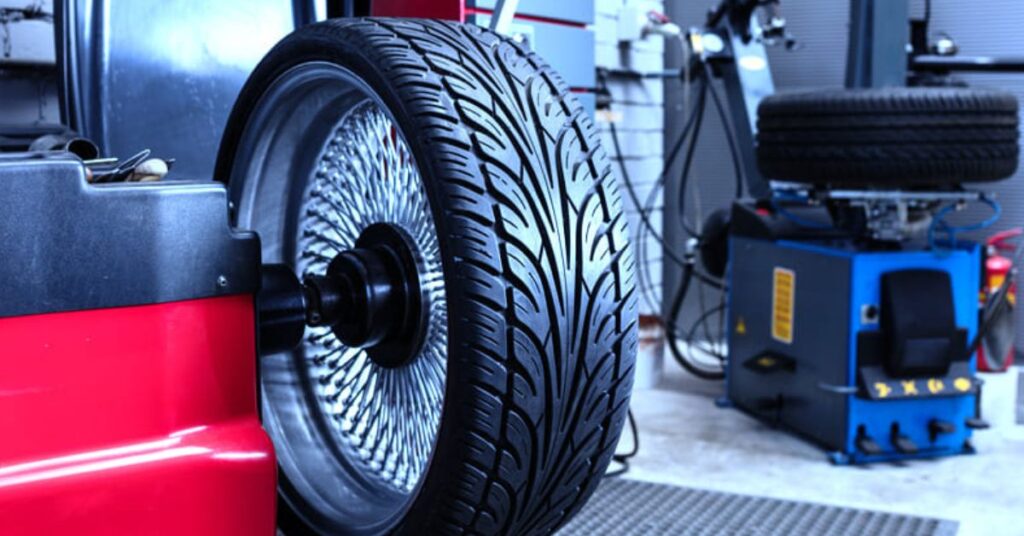
Driving enthusiasts and everyday commuters alike can attest to the joy of a smooth, vibration-free ride. Behind this experience lies a crucial aspect of vehicle maintenance: wheel balancing. In this blog, we’ll explore what wheel balancing is, why it matters, and how it contributes to a more comfortable and safer journey. What is Wheel Balancing? Wheel balancing is the process of evenly distributing the weight of a tyre and wheel assembly to ensure that it rotates smoothly. It involves attaching small weights to the rim to counterbalance any irregularities in weight distribution. This ensures that the tyre wears evenly and that vibrations are minimized. Why is Wheel Balancing Important? Smooth Ride: Unbalanced wheels can lead to vibrations, particularly at higher speeds. Proper wheel balancing ensures a smoother and more comfortable driving experience. Tyre Longevity: Imbalanced wheels can cause uneven tyre wear, leading to premature tyre replacement. Balancing your wheels helps extend the lifespan of your tyres and saves you money in the long run. Vehicle Performance: Balanced wheels contribute to better handling and control, especially during acceleration and deceleration. This is crucial for maintaining optimal performance and safety. Reduced Stress on Suspension: Uneven weight distribution can put unnecessary stress on the suspension system, affecting the overall stability and performance of your vehicle. Signs Your Wheels Need Balancing: Vibrations: If you feel vibrations in the steering wheel or throughout the vehicle, especially at certain speeds, it’s a clear sign that your wheels may be out of balance. Uneven Tyre Wear: Inspect your tyres for uneven wear patterns, as this could indicate an imbalance. Steering Issues: Difficulty steering or a drifting sensation, even when the road is straight, can be attributed to imbalanced wheels. Getting Your Wheels Balanced: It’s advisable to have your wheels balanced whenever you purchase new tyres, and periodically thereafter. Professional technicians use specialized equipment to identify imbalances and strategically place weights to ensure even weight distribution. Conclusion: Wheel balancing is not just about a smooth ride; it’s about optimizing performance, extending the life of your tyres, and ensuring the safety of your journey. Regular checks and adjustments to balance your wheels are a small investment that pays off in terms of comfort, longevity, and overall driving satisfaction. So, the next time you crave that vibration-free, seamless ride, remember that wheel balancing is the key to finding the perfect balance on the road.

Finding Balance on the Road: The Importance of Wheel Balancing Read More »

The Importance of Wheel Alignment: A Smooth Ride Awaits!

Whether you’re an avid car enthusiast or simply a daily commuter, understanding the significance of wheel alignment is crucial for maintaining both the performance of your vehicle and ensuring your safety on the road. In this blog, we’ll delve into what wheel alignment is, why it matters, and how it can contribute to a smoother and safer driving experience. What is Wheel Alignment? Wheel alignment, also known as tyre alignment, refers to the adjustment of the angles of the wheels so that they are parallel to each other and perpendicular to the ground. The primary angles involved in wheel alignment are camber, caster, and toe. Camber: The inward or outward tilt of the tyre when viewed from the front. Proper camber ensures even tyre wear. Caster: The angle of the steering axis in relation to the vertical axis. It influences steering stability and returnability. Toe: The angle at which the tyres turn inward or outward when viewed from above. Correct toe alignment prevents excessive tyre wear and ensures straight-line stability. Why is Wheel Alignment Important? Extended Tyre Life: Proper wheel alignment helps distribute the vehicle’s weight evenly across all four tyres, preventing uneven wear. This extends the lifespan of your tyres and saves you money in the long run. Improved Fuel Efficiency: Misaligned wheels create extra resistance, forcing the engine to work harder and consume more fuel. Aligning your wheels can contribute to better fuel efficiency. Enhanced Handling and Performance: Correct wheel alignment ensures that your vehicle handles optimally. This is especially crucial for maintaining control during turns and preventing drifting. Safer Driving Experience: Proper alignment contributes to better stability and steering response, reducing the risk of accidents, especially in emergency situations. Signs Your Vehicle Needs Wheel Alignment: Uneven Tyre Wear: Check your tyres for signs of uneven wear, such as one side wearing faster than the other. This indicates a potential alignment issue. Vehicle Pulls to One Side: If your car tends to drift or pull to one side even when the steering wheel is centered, it’s a clear indication of misalignment. Steering Wheel Off-Center: An off-center steering wheel when driving straight suggests that the wheels may be out of alignment. Getting Your Wheels Aligned: It’s recommended to have your wheel alignment checked regularly, especially after hitting a pothole, curb, or any significant impact. Professional mechanics use specialized equipment to adjust the angles precisely, ensuring optimal alignment. In conclusion, wheel alignment is not just a technical aspect of vehicle maintenance; it’s a key factor in ensuring a smooth, safe, and cost-effective driving experience. Regular checks and adjustments can save you money on tyre replacements, improve fuel efficiency, and contribute to the overall performance and safety of your vehicle. So, the next time you hit the road, remember that a well-aligned set of wheels is your ticket to a smoother ride!


The Importance of Wheel Alignment: A Smooth Ride Awaits! Read More »

Elevate Your Drive: The Allure of Alloy Wheels

Alloy wheels have become more than just a trend in the automotive world; they’re a statement of style, performance, and innovation.  The Aesthetic Appeal: One of the primary reasons alloy wheels have gained immense popularity is their visual appeal. Crafted from a blend of lightweight metals, including aluminum and magnesium, alloy wheels offer a sleek and modern appearance that can instantly transform the look of any vehicle. The intricate designs and finishes available allow you to personalize your ride and make a lasting impression on the road. Customization Options: Alloy wheels offer a wide range of customization options to suit your individual style preferences. Whether you prefer a diamond cut, matte finish, silver, or gunmetal finish, alloy wheels come in various designs and colors to complement the aesthetics of your vehicle. Easy Maintenance: Maintaining the appearance of alloy wheels is relatively simple. Regular cleaning with mild soap water, is usually sufficient to keep them looking pristine. This ease of maintenance adds to the overall appeal of alloy wheels for car enthusiasts. DO NOT USE CHEMICALS OR CLEANING AGENTS ON THE WHEELS as these may spoil the paint on the wheels

Elevate Your Drive: The Allure of Alloy Wheels Read More »